
VW Audi Skoda Seat Haldex 4. generacji – Szczegóły i typowe usterki
Haldex 4 generacju budowa
System ten składa się z następujących elementów:
- Pompa oleju z sitkiem filtrującym – „Pompa sprzęgła Haldex (V181)”
- Wkład filtra
- Akumulator ciśnienia – tłok ze sprężyną, który utrzymuje wstępne ciśnienie, aby zapewnić natychmiastową reakcję na żądanie
- Zawór sterowania olejem – „Zawór regulacji kąta pracy sprzęgła (N373)”
- Mokra przekładnia sprzęgła – podobna do sprzęgła w motocyklu, zespół jest zaciskany za pomocą siłownika tłokowego wbudowanego w konstrukcję
- Jednostka sterująca ECU – pełni rolę jednostki podrzędnej w stosunku do modułu ABS/TC/ESP ECU

Typowe kody błędów
⚠️ UWAGA! Podczas skanowania pojazdu w celu odczytu kodów błędów ważne jest, aby używać dobrego systemu diagnostycznego. W przeciwnym razie może się okazać, że żadne kody błędów nie są zapisane!
Typowe kody błędów (awaria pompy):
W 4 generacji Haldex, pompa załącza się co 20 sekund co skutkuje aktywnym zużyciem szczotek silnika pompy. Typowa oporność sprawnej pompy to 5 – 8 Ohm (według producenta). W praktyce oporność ma być nie niżej 2 Ohm.
⚠️ UWAGA – Sprawdzenie pompy podłacząjąc ją „na krótko” nie jest miarodajnym.
Sprawdzamy i w razie potrzeby wymieniamy pompę. Zaleca się również wymiana oleju i filtra.
- 00448 – Pompa sprzęgła Haldex (V181) – 002 – Przekroczony dolny limit – Błąd przerywany
- 00448 – Pompa sprzęgła Haldex (V181) – 011 – Obwód otwarty – Błąd przerywany
- 00448 – Pompa sprzęgła Haldex (V181) – 011 – Obwód otwarty – Uszkodzenie
- 00448 – Pompa sprzęgła Haldex (V181) – 011 – Obwód otwarty – Błąd przerywany

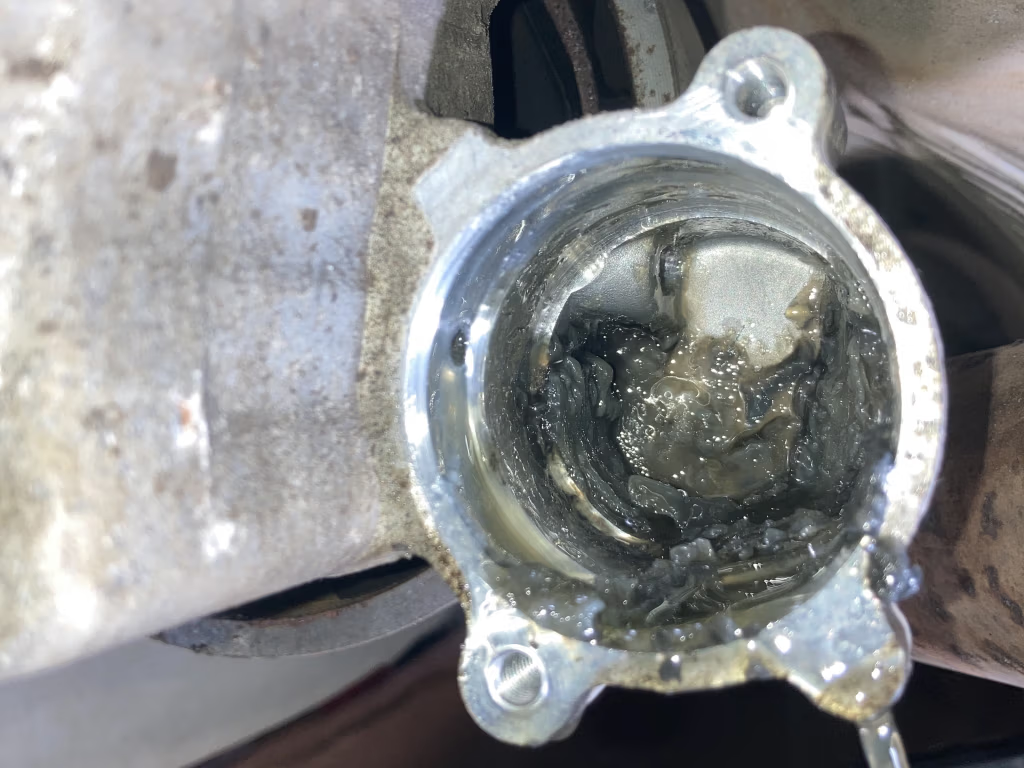
Zapchanie pompy lub filtra może wywołać błędy:
- 02248 – Zawór sterujący kątem pracy sprzęgła (N373) – błąd sporadyczny
- 01155 – Sprzęgło – 003 – usterka mechaniczna – błąd sporadyczny
Materiał zużyciowy z pakietu sprzęgieł jest zawieszony w oleju układu Haldex. Na początku większe cząstki są wychwytywane przez wstępne sitko przy pompie, natomiast drobniejsze zanieczyszczenia są zatrzymywane przez wkład filtra.
Jeśli olej nie przepływa prawidłowo przez wkład filtra, nie jest dostarczane odpowiednie ciśnienie hydrauliczne potrzebne do zaciśnięcia sprzęgła Haldex pod obciążeniem. W efekcie sprzęgło ślizga się (co prowadzi do jeszcze większego zużycia i dalszego zatykania filtra!). System ABS/ASC/TCS wykrywa, że przednie koła obracają się szybciej niż tylne, co nie powinno mieć miejsca przy załączonym sprzęgle Haldex. W rezultacie generowane są kody błędów dotyczące sprzęgła oraz zaworu sterującego N373.
⚠️ UWAGA – Uszkodzona pompa wstępna Haldex (V181), która nie zapewnia odpowiedniego ciśnienia oleju, może powodować dokładnie takie same objawy. Typowo można to zweryfikować, mierząc oporność – powinna wynosić od 5 do 8 omów (według producenta). W praktyce oporność ma być nie niżej 2 Ohm.
Typowe kody błędów (awaria sterownika):
- 02248 – Zawór regulacji kąta pracy sprzęgła (N373) – Uszkodzenie
- 02248 – Zawór regulacji kąta pracy sprzęgła (N373) – Błąd przerywany
- 02248 – Zawór regulacji kąta pracy sprzęgła (N373) – 012 – Usterka elektryczna w obwodzie
- 01324 – Moduł sterowania napędem na wszystkie koła (J492) – 004 – Brak sygnału/komunikacji
- 65535 – Błąd wewnętrznej pamięci modułu sterowania – 00-10 – Błąd przerywany
- 16347 – Moduł sterowania – Błąd EEPROM – 014 – Uszkodzenie – Błąd przerywany
- 00003 – Moduł sterowania – 014 – Uszkodzenie – Błąd przerywany / Uszkodzony moduł sterowania – Sporadyczny


Sprawdzanie zasilania sterownika.
Zasilanie sterownika Haldex 4 generacji wykonujemy próbnikiem instalacji (kontrolką). Sprawdzamy/ wykrywamy napięcie pomiędzy 1 a 2 pinem. Brak zasilania może wskazywać na uszkodzenie płytki sterownika. Przepalona płytka PCB wydziela bardzo charakterystyczny, ostry i chemiczny zapach, często opisywany jako palony plastik. Zapach ten jest efektem przegrzania elementów elektronicznych, spalenia izolacji lub samej żywicy epoksydowej, z której wykonana jest płytka.
Kolejno miernikiem sprawdzamy napięcie pomiędzy 2 a 7 oraz 2 a 8 pinami (napięcie CAN). Napięcie to powinno wynosić 1,5 … 3V


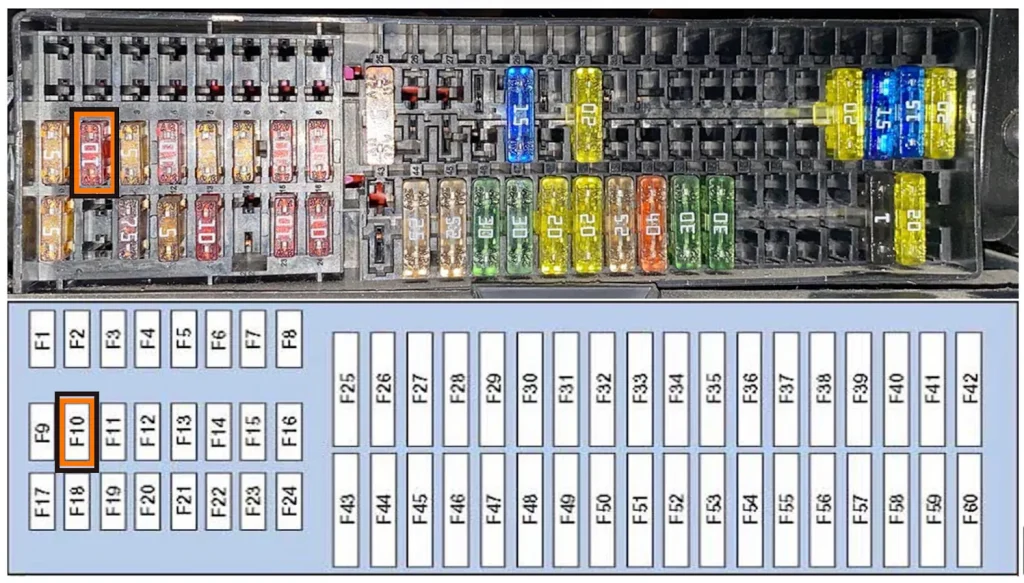

⚠️ UWAGA! Po zdemontowaniu sterownika niestety nie ma możliwości korzystania z auta.