
4th-generation Haldex. Service
Oil change. When should the oil in the Haldex system be changed?
⚠️ You should change the Haldex system oil every 30,000 km, and the filter every 60,000 km. If you're unsure when or if the Haldex system oil has ever been changed, it's also a good idea to remove and clean the oil pump, then reinstall it with new seals (O-rings).
Here you will find all the parts you need to complete this task – Borg Warner Official Store
Tools needed for the service
- Hex socket wrenches: 8 mm, 5 mm, and 4 mm
- Torque wrench: 5-35 Nm
- Long-nose pliers and a flat-head screwdriver
- Diagnostic tool (optional)
Oil change kit:
- Haldex oil: (part no. G 060 175 A2, BorgWarner 2000884)
- Haldex BorgWarner 2003085 Filter Kit: (1 x new oil filter, 1 x filter cover with O-rings, 2 x mounting screws)
- Waste oil container
- Syringe or hand pump for refilling new oil
- Cloths or paper towels
Oil change
1. Vehicle Preparation
- Lift the vehicle on a hoist or drive it onto a service ramp.
- Secure the vehicle with wheel chocks and make sure it's stable.
2. Draining the Old Oil

- Before draining the old oil, use a 5mm Allen/HEX key to loosen the oil filler plug (it's on top of the Haldex housing), then tighten it back up. If for some reason the filler plug can't be unscrewed or gets damaged, and you've already opened the drain plug, you'll have a hard time refilling the system with oil.
- Use an 8mm Allen/HEX key to unscrew the oil drain plug.
- Drain all the used oil into the prepared container.
- Clean the drain hole and plug before reassembly.
3. Oil Filter Replacement
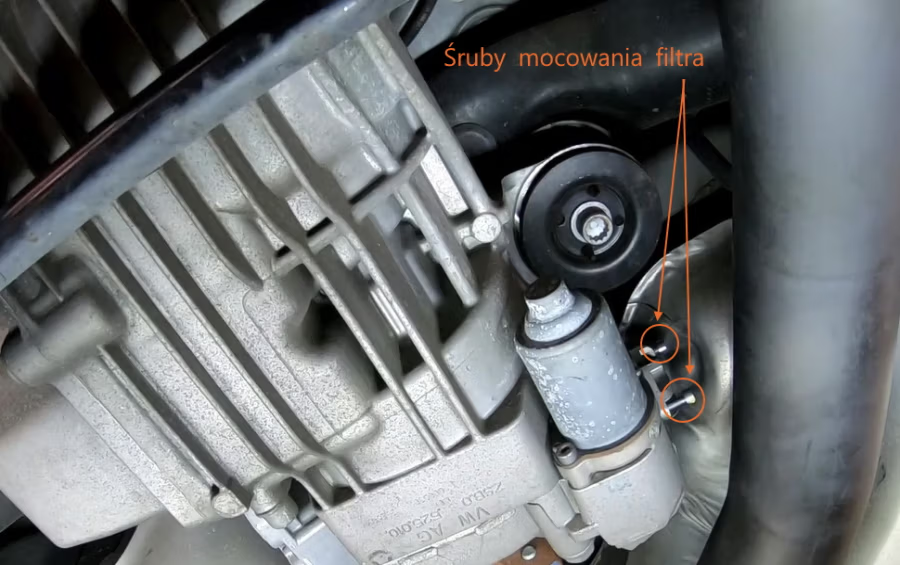

- Locate the filter housing (usually secured by two screws).
- Unscrew the housing and carefully remove the filter cover and the old filter. You can screw a bolt into the filter cover and then use pliers to pull it out. Or, you can use a diagnostic tool to activate the pump – it'll push the filter out. If you go this route, don't unscrew the filter cover completely; just leave it loosely attached.
- Clean the inside of the housing, removing any oil residue and dirt.
- Install the new filter and the cover with its seals. Before you put them in, lubricate the seals with oil for a better seal and easier installation.
- Tighten the filter housing to the recommended torque (usually 5-6 Nm).
4. Oil Pump Removal and Cleaning
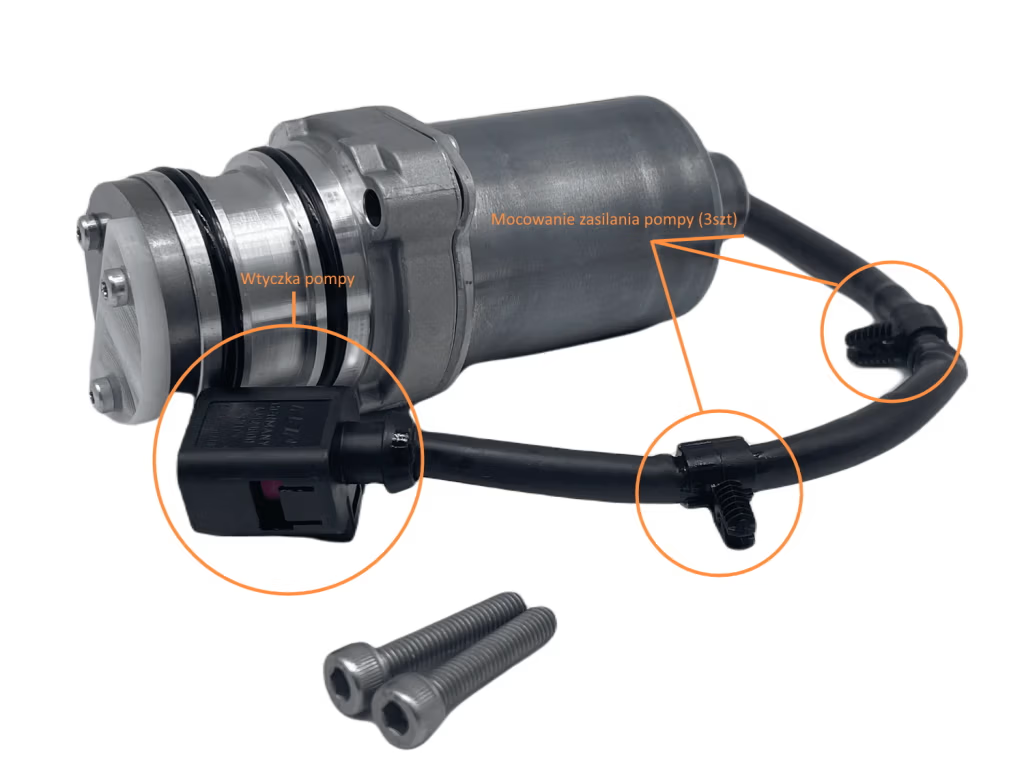
- Unplug the pump connector (the 2-pin connector on the control unit).
- Disconnect the 3 mounting points for the pump's power cables.
- Unscrew the 2 pump mounting screws and remove the pump.
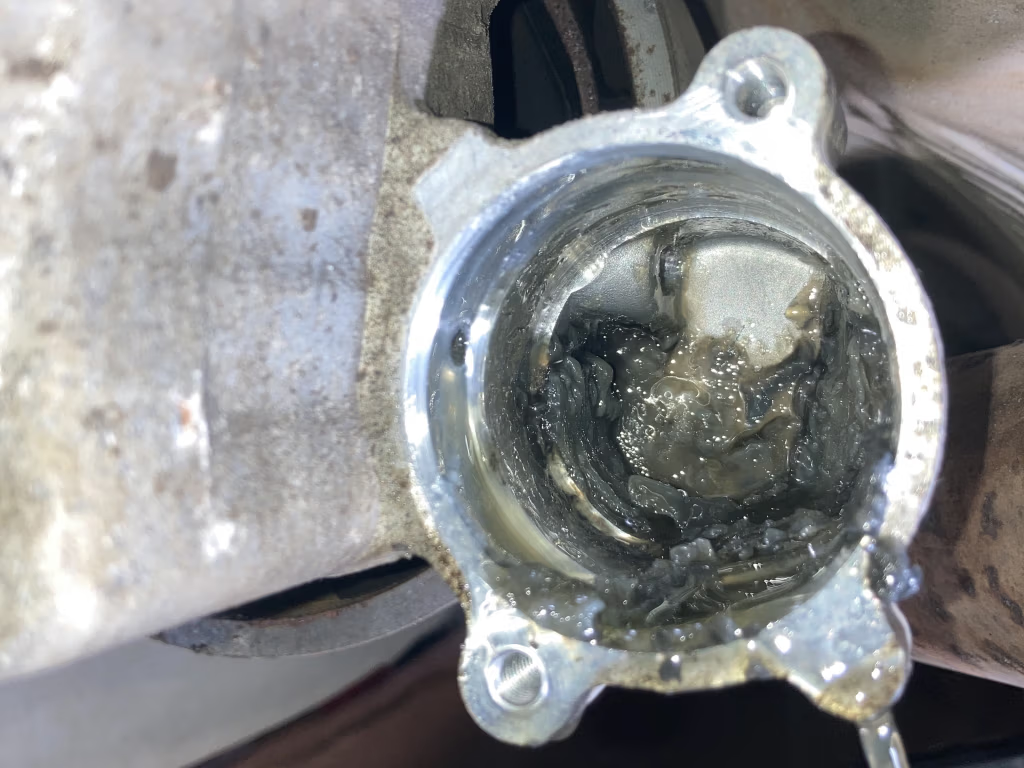
- Thoroughly clean the pump's mounting area.
- Unscrew the 2 screws holding the pump's strainer and give both the strainer and the pump a good clean.
- Install the pump using new seals/O-rings.

5. Filling the system with fresh oil
- Screw the oil drain plug back in and torque it to 30 Nm. Using a new plug is always a good call.
- First, make sure your vehicle is on a level surface to get an accurate oil level. Then, grab a syringe or a hand pump and pour new Haldex oil through the service port until it just starts to overflow.
- Once it's full, screw the service plug back in.
- Check that the oil temperature is between 20-40°C using your diagnostic tool or a thermometer. If needed, take it for a quick spin to warm it up, or let it cool down until it hits that sweet spot.
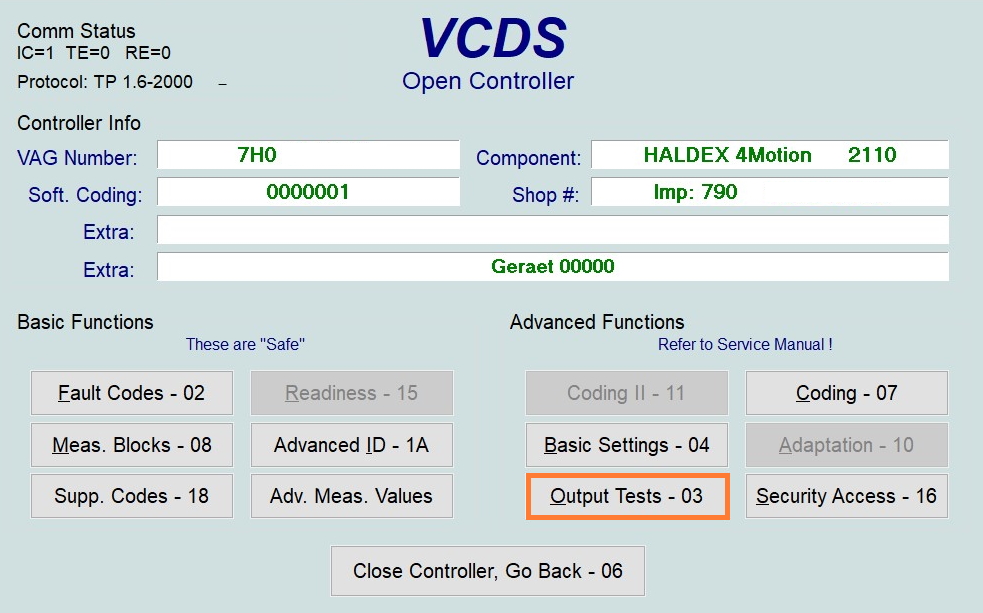
- Using diagnostic tools (like VCDS), run a pump and valve test to get the system properly primed with oil.
- Top up the oil until it's at the correct level (it should just start to weep out of the fill port after topping up), making sure the system is properly filled but not overfilled. The total system capacity is 0.85L, but for a typical oil change, you'll need about 0.7 – 0.75L.
6. Leak Check
- Tighten the fill plug. Then, double-check for any leaks around the plugs and the filter.
7. Disposing of Used Oil
- Make sure to take your used oil to an approved waste collection point.
All done!
Your Haldex system is now good to go!
It’s a pretty good DIY video. It shows how to use a diagnostic tool to remove the oil filter. It’s also a good idea to remove and clean the pump strainer and top off the oil properly, as described above.